AGP Executive Report
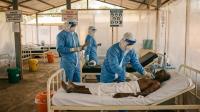
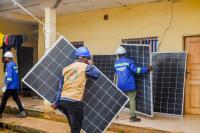
Last update: 8 minutes agoCoastal Health and Livelihoods: Offshore oil platforms near Kribi are linked to restricted fishing access, tar balls and risks to marine life, raising concerns for coastal communities’ well-being and food sources. Ebola Preparedness: Cross River trained 34 health workers in infection prevention, hygiene and surveillance, including staff in Ikom on the Cameroon border; no cases had been reported there. Cameroon has also activated border health controls amid Ebola reports in Nigeria. Powering Maternity Care: A Cameroonian solar initiative has equipped more than 100 maternity wards, helping provide reliable lighting and vaccine refrigeration while training displaced young people for clean-energy jobs.
Note: AI summary from news headlines; neutral sources weighted more to help reduce bias in the result. Feedback is welcome. Please let us know if you have any comments or suggestions about the AGP Executive Report.


 Perspectify News