AGP Executive Report
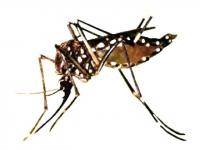
Last update: 10 hours agoRegional Disease Watch: Chad has confirmed 252 dengue cases and eight deaths, with more than 3,000 suspected infections across six provinces. Health officials urged mosquito control, cleaner drainage and early care — a reminder for Cameroon to maintain vigilance against mosquito-borne disease. Cameroon Care: A Chinese medical team provided free consultations and treatment to nearly 1,000 people in Meyomessala, covering specialties including surgery, gynecology and eye care, and donated medicines to a local hospital. Pain Research: Researchers in Cameroon and the United States are studying traditional plant remedies to identify compounds that could inform non-opioid pain treatments. Malaria Prevention: Equatorial Guinea is extending its malaria campaign to the mainland and Annobón after major gains on Bioko; officials cite porous borders with Cameroon as one challenge to control.
Note: AI summary from news headlines; neutral sources weighted more to help reduce bias in the result. Feedback is welcome. Please let us know if you have any comments or suggestions about the AGP Executive Report.

 Perspectify News